
Wireless vs. Wired Security Cameras: Which is Right for You?
1/13/20262 min read


Introduction
In today’s digital age, securing your property is more critical than ever. As homeowners seek reliable surveillance options, the debate between wireless and wired security cameras continues to grow. Understanding the advantages and limitations of each type can guide you in making an informed decision tailored to your specific needs.
Advantages and Disadvantages of Wireless Security Cameras
Wireless security cameras are renowned for their easy, cable-free installation. This convenience allows homeowners to place cameras in various locations without the hassle of wiring. However, a significant downside to wireless systems is their reliance on Wi-Fi connectivity. If your internet upload speeds are below 20 Mbps, this may lead to delays or missed recordings, which could jeopardize your security.
Moreover, wireless cameras often require an ongoing monthly subscription for cloud storage services. While this may seem convenient, the costs can accumulate over time, impacting your budget. Therefore, if you choose wireless cameras, ensure your internet connection is stable, and consider if you’re willing to invest in ongoing service fees.
The Reliability of Wired Security Cameras
In contrast, wired security cameras offer unparalleled reliability. Once installed, they provide continuous recording and do not depend on Wi-Fi, thereby eliminating concerns over upload speeds or internet outages. This feature is especially critical for monitoring high-traffic areas or vulnerable spots around your property.
Additionally, wired systems often come with larger storage capabilities, enabling you to retain surveillance footage for long periods without additional charges. While professional installation may be necessary, many homeowners view it as a worthwhile investment for peace of mind and an effective security solution.
Finding a Balance: A Hybrid Approach
For those uncertain about fully committing to either type, a hybrid approach may prove beneficial. Starting with a few wired cameras at essential locations can provide a solid foundation of security. Over time, as you assess your property's needs and your budget, you can expand by adding wireless cameras in less critical areas, accommodating guests, or monitoring outdoor spaces.
Ultimately, whether you opt for wireless or wired security cameras, the best strategy hinges on your specific requirements and budget. Each system has distinct advantages that cater to different situations, making it essential to evaluate your circumstances before deciding. For a more in-depth exploration of both setups, we invite you to view our linked videos that provide insights into their unique features.
Amazon Affiliate Links
Easily replace your old floodlight with this Wi-Fi camera. It uses your existing power for a pro-grade security upgrade with no extra wiring needed.
Elite Floodlight WiFi
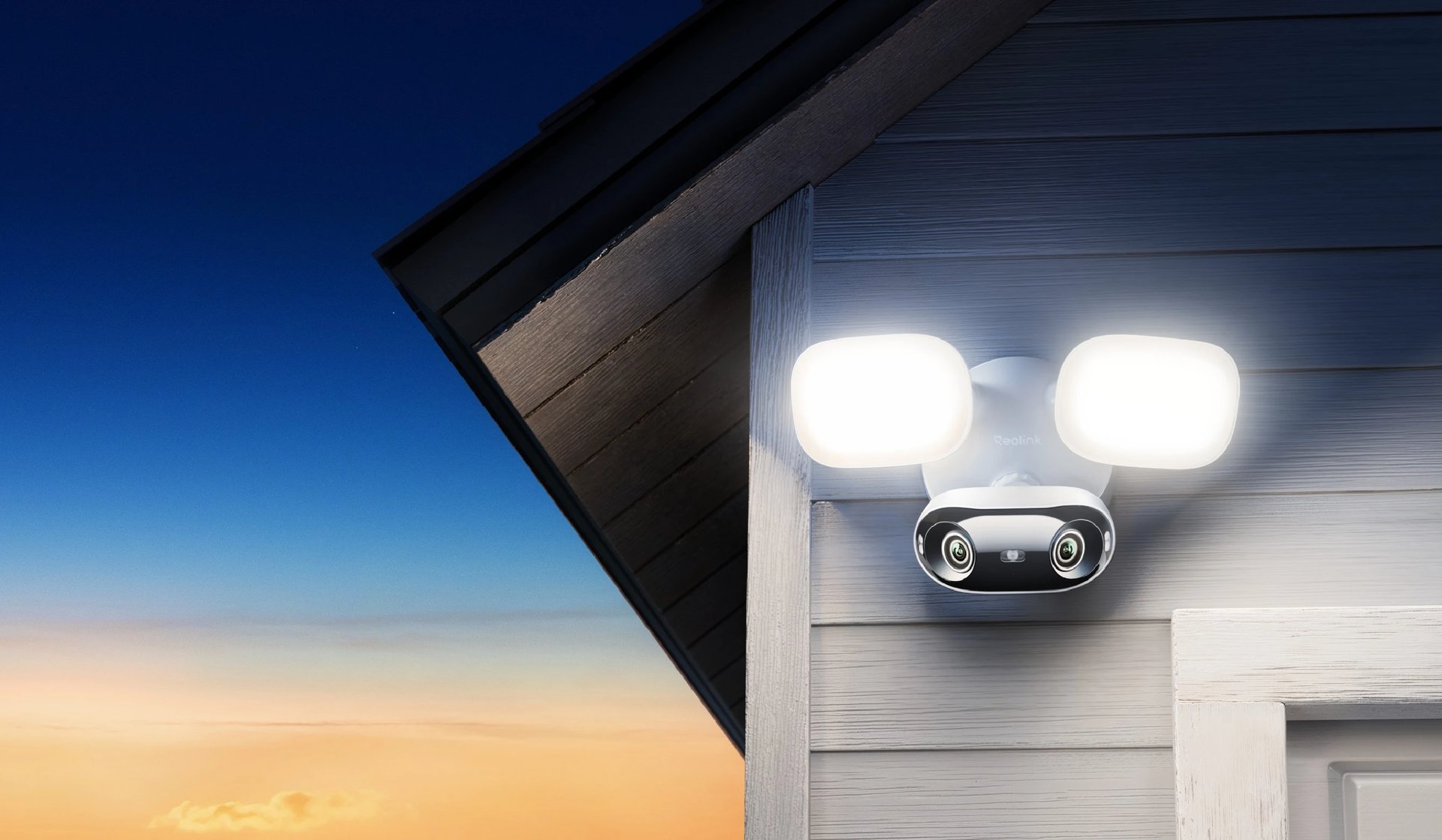
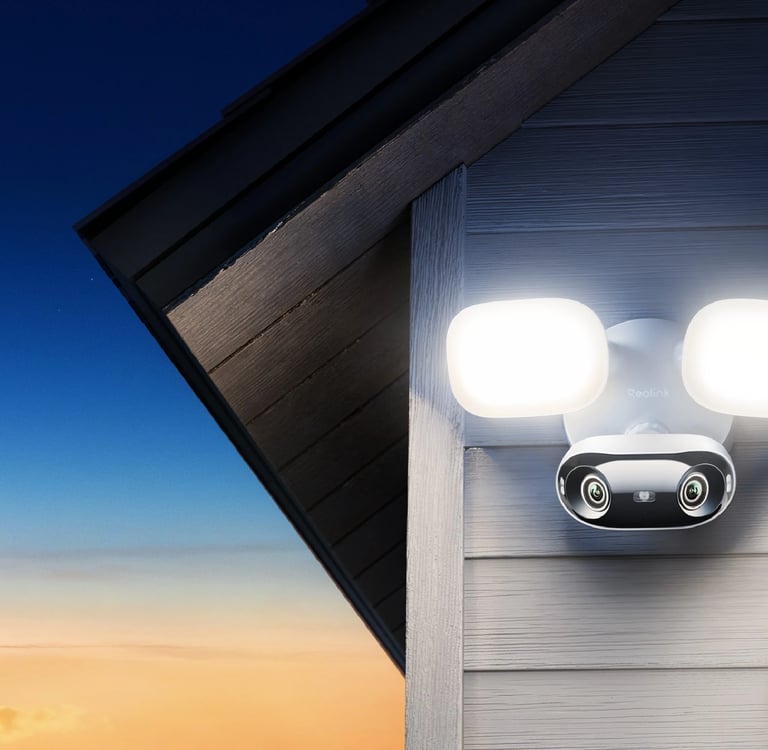
4K 180° Ultra-Wide Wired Floodlight Security Camera
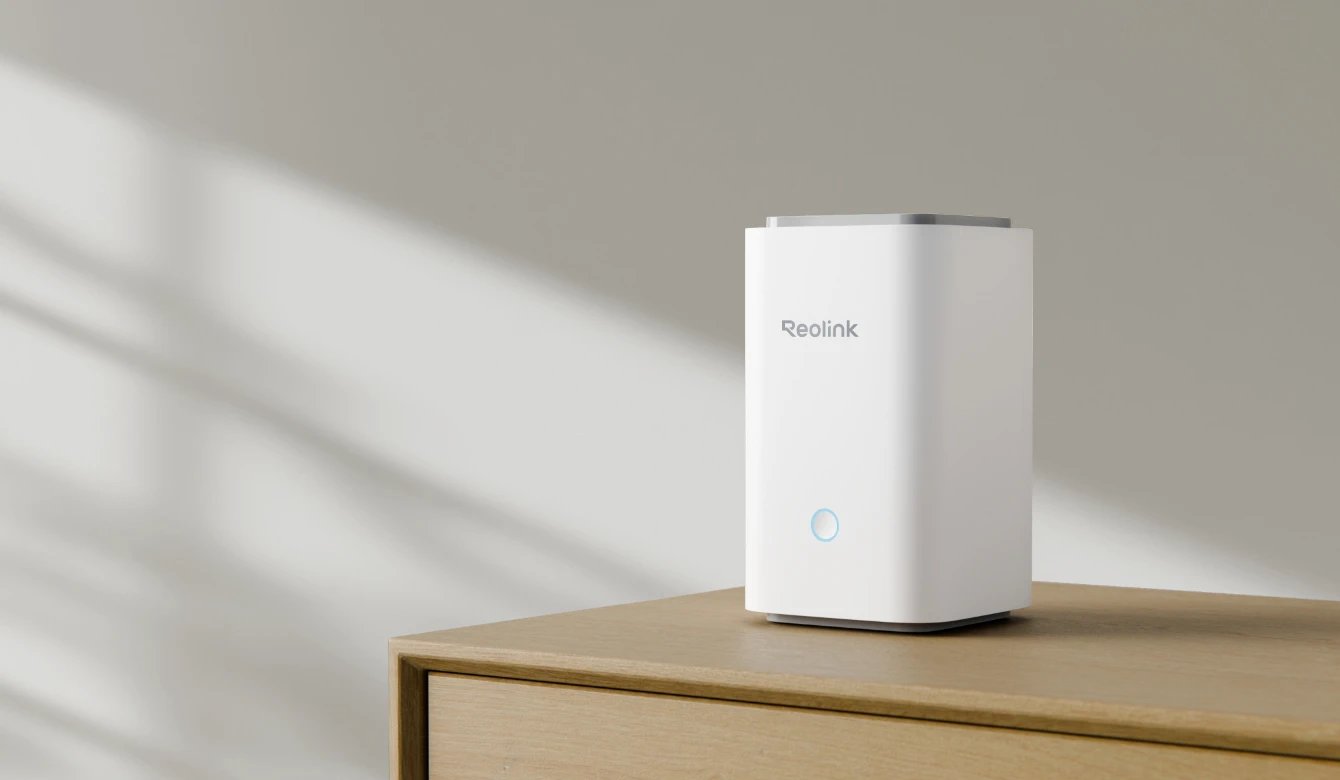
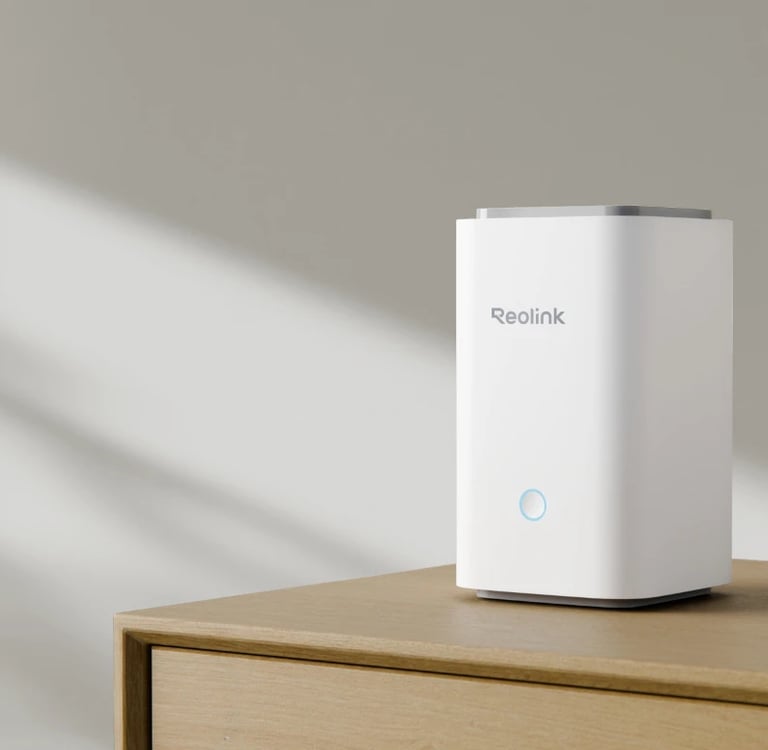
Reolink Home Hub
Wireless Security Center with Encrypted Local Storage and Multi-Device Management
Reolink Altas PT Ultra
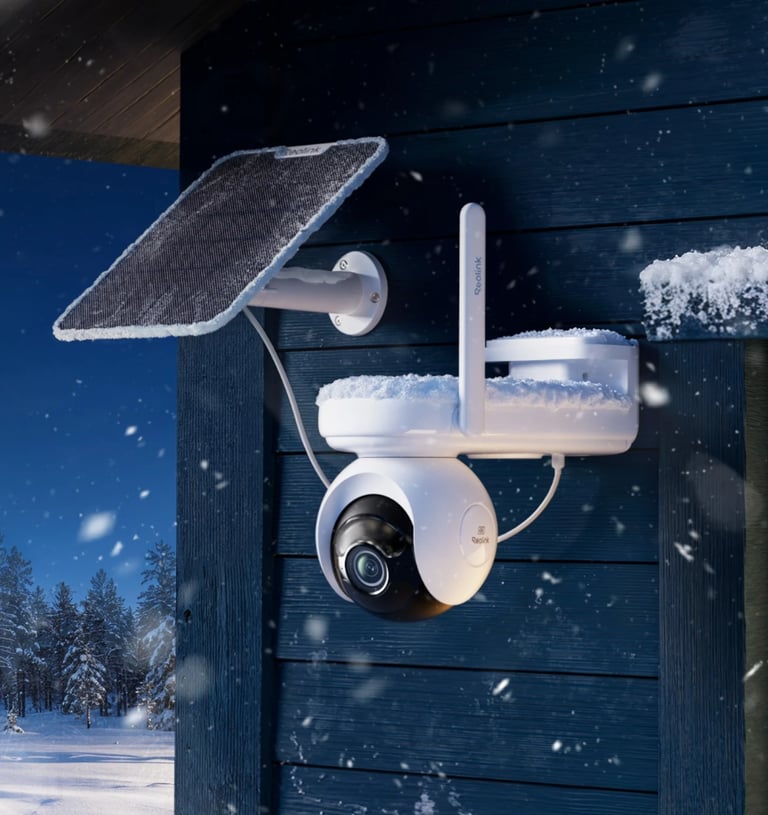
4K 360° Pan & Tilt Long Lasting Battery Camera with Pre-recording
Add Wi-Fi and battery-powered cameras to your setup with no monthly costs. Enjoy the security of local storage and 100% privacy for all your footage.
For homes where running cable is impossible, I recommend this 360° battery-powered camera. You get total property visibility and exceptional battery longevity without the need for professional wiring
As an affiliate, I may earn a small commission from qualifying purchases at no extra cost to you.
Recommended for residential properties where running cables isn’t practical, wireless camera options and floodlight cameras that integrate with existing wired floodlights provide a flexible alternative.
For more information, consider viewing these videos:

